
When we say “metaverse-ready assets”, it may sound like a clear concept that has a definition and examples. In reality, there’s no clear explanation of what it is, just a common understanding of the metaverse direction where some digital projects operate.
There isn’t one metaverse you can build for. Instead, there are multiple platforms that share similar characteristics – persistent environments, user-generated content, and large numbers of players interacting with the same assets. Platforms like Roblox or Fortnite are often used as examples, not because they are “the metaverse,” but because they are well known and they use those metaverse principles that matter for art production. Through them, we can show how these systems work in practice.
That’s where the confusion usually starts. The term sounds like a visual requirement, but it isn’t. Being “metaverse-ready” has very little to do with how an asset looks. It’s about how it behaves across different contexts. Can it be reused? Can it run on a wide range of devices? Can it be updated without breaking consistency? Can it fit into a system where content changes constantly?
Those questions shape the asset long before it reaches a final render. This article isn’t about defining the metaverse as a concept. It’s about what changes in production when assets are expected to live longer, move between environments, and scale across systems, and how 3D art outsourcing studios adapt to that reality.
What “Metaverse-Ready” Actually Means
Once you move past the terminology, the requirements become fairly practical.
A metaverse-ready asset isn’t defined by style or level of detail. What matters is how well the asset works beyond a single use. The same model can show up in different scenes, under different lighting, or inside a system that keeps evolving.
That changes how assets are built from the start. Instead of being created for a single use, they are expected to:
- work across different scenes and experiences
- be easy to adjust without rebuilding from scratch
- stay lightweight enough for a wide range of devices
- remain visually consistent across updates
Platforms like Roblox or Fortnite make this visible. Content is updated constantly, and assets are reused in different contexts. A prop is rarely tied to one level or one moment. It becomes part of a larger system.
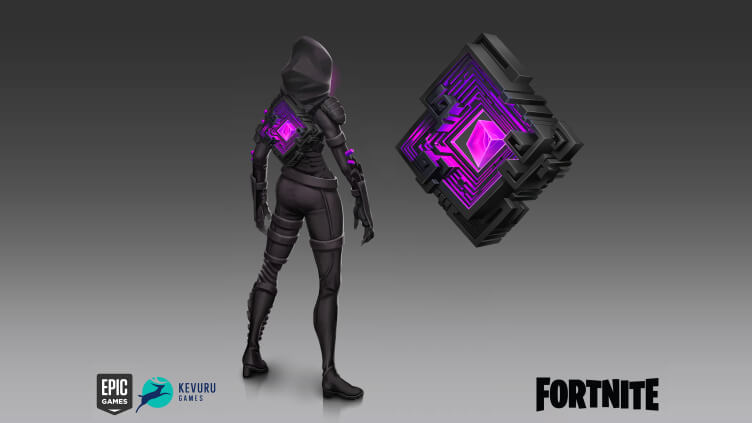
That’s the key difference. In a traditional game pipeline, an asset is often judged by how well it works in a specific scene. In these environments, the question shifts. It’s not just about whether it looks right in one place, but whether it continues to work as the surrounding context changes. And that requirement tends to affect every step of production.
Why Traditional Game Assets Don’t Always Work
Most game assets are still built with a very specific use in mind. They’re created for a particular level, tested under a controlled lighting setup, and optimized for a known platform. As long as everything looks right in that context, the job is done.
That approach works well in a closed environment. It starts to break once the same asset needs to move between scenes or be reused over time.
An asset that looks good in one level might not behave the same way elsewhere. Materials can react differently under new lighting. Scale can feel inconsistent when placed next to other objects. Small shortcuts that go unnoticed in a single scene become more visible when the asset is reused.
Another issue is how tightly some assets are built into their original context. Details are often baked in – lighting information, wear patterns, even color adjustments that were tuned for a specific environment. That makes reuse harder without reworking the asset.
In a metaverse-type setup, those limitations show up quickly. Content is updated, rearranged, and reused more often. Assets are expected to hold up across different situations, not just one.
So the requirement changes. It’s no longer enough for something to look correct once. It has to stay consistent as the context changes around it.
How Outsourcing Studios Adapt Their Pipelines
This is where outsourcing studios tend to approach things differently. When you’re working across multiple projects, you don’t build assets in isolation. You build them with the expectation that requirements will shift – different engines, different lighting setups, different use cases.
That naturally pushes pipelines toward more structured setups. Assets are usually built with reuse in mind from the start. Geometry is kept clean and predictable. Materials are separated from baked lighting or scene-specific adjustments. Scale is standardized, so objects don’t drift when placed into different environments.
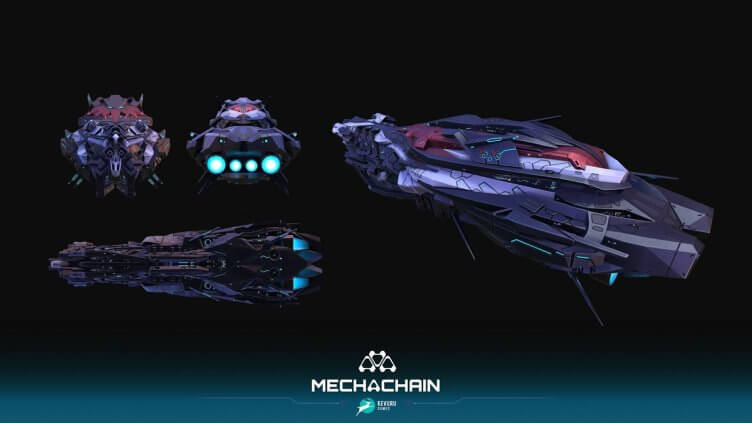
A lot of the work happens before the asset is even finished. Here are the decisions that need to be taken:
- how materials are structured
- how assets are named and organized
- what level of detail is acceptable
- how variation is handled without breaking consistency
This reduces the amount of rework later. Outsourcing studios also tend to rely more on modular approaches. Instead of building a complete environment as one piece, it’s broken into smaller parts that can be reused and rearranged. That’s useful not only for games, but for any system where content needs to scale.
The goal isn’t just to deliver an asset that looks good. It’s to deliver something that can survive changes – new scenes, new lighting, new contexts – without needing to be rebuilt.
That’s the part that aligns closely with what “metaverse-ready” actually means in production.
Technical Requirements That Make Assets “Metaverse-Ready”
For the art team, working with metaverse art brings challenges that aren’t connected with the style of an asset, but rather with how it works consistently across different contexts.
One of the main constraints is performance. Assets need to stay lightweight enough to run on a wide range of devices, often at the same time. The number of users can get up to a massive number. For instance, Roblox reported ~70 million daily active users in its official investor reports. Such huge platforms depend on content that can scale without breaking performance, which puts limits on geometry density, texture size, and shader complexity. Even high-end platforms like Fortnite balance visual quality with the need to support millions of concurrent players across different hardware.
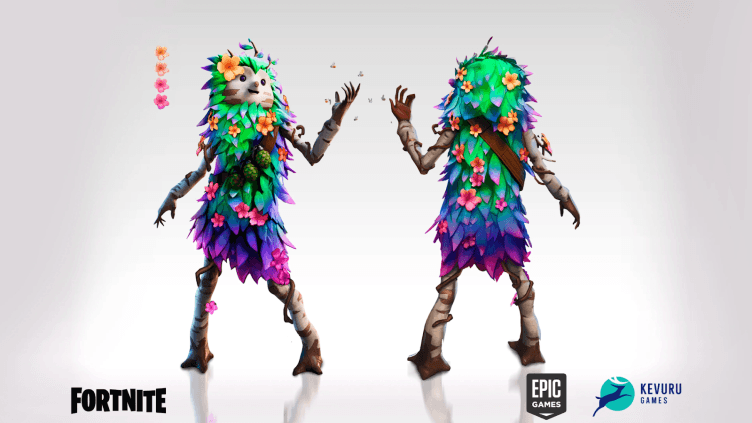
Assets are often broken into reusable parts rather than built as one piece. That makes it easier to assemble environments, update them over time, and keep everything consistent.
Materials are handled differently as well. Rather than baking lighting or environment-specific details into textures, teams rely on flexible material setups that adapt to different lighting conditions. This avoids the problem of assets looking correct in one scene but out of place in another.
Here’s how these requirements typically break down:
| Requirement | Why it matters |
| Lightweight geometry | supports performance across devices |
| Modular structure | enables reuse and faster iteration |
| Consistent scale | ensures assets fit across environments |
| Flexible materials | adapt to different lighting conditions |
| Clean topology | easier to modify and optimize |
| Structured naming and organization | supports pipeline automation |
All of these factors point to the same shift. Assets are no longer built as final, fixed pieces. They are built as components of a larger system, where flexibility and consistency matter as much as visual quality.
Common Mistakes In Metaverse Art
Most problems don’t come from the modelling itself, but from how assets are prepared for use.
A model can look completely fine on its own and still cause issues later. This usually happens when it’s built for a single scene and then reused in different contexts. As assets move between environments, small limitations start to become visible. Here are some of the most common issues.
Too much detail that turns into a performance problem when reused across multiple scenes
When an asset is pushed beyond what’s necessary – high poly counts, large textures, complex shaders – it might look great in isolation. But once it appears multiple times in a scene or needs to run on weaker devices, that extra detail starts to cost performance. What was acceptable once becomes expensive at scale.
Baked-in context – lighting, shadows, or color tweaks that only work in the original setup
Assets are sometimes adjusted to look perfect in one environment, with lighting or color baked into textures. That works as long as the asset stays in that scene. As soon as it’s reused elsewhere, those adjustments no longer match the new lighting, and the asset starts to feel out of place.
Inconsistent scale that becomes noticeable when assets are placed together
If assets aren’t built against a shared scale, small differences don’t stand out on their own. But when multiple objects are placed side by side, proportions can feel off. Doors may look too small, props too large, and the overall scene loses coherence.
Lack of modular structure, making assets hard to adjust or reuse
When everything is built as one piece, even minor updates turn into bigger tasks. Splitting assets into smaller parts makes them easier to reuse and adjust over time. Without that flexibility, assets quickly become hard to adapt.
Materials that don’t behave well under different lighting conditions
When materials are adjusted for a specific lighting setup, they don’t always hold up elsewhere. Differences in roughness, reflection, or color response can make the asset feel inconsistent across scenes.
These issues are easy to miss early on. They usually appear over time, as content grows and assets are reused more often.
That’s why “metaverse-ready” isn’t about adding new features. It’s about avoiding these limitations from the start.
Where Outsourcing Adds the Most Value
This is where outsourcing studios tend to have an advantage. When a team works on a single project, it’s easy to optimize assets for that specific context. But when you’re working across multiple clients, engines, and pipelines, you start building things differently. You assume that requirements will change, and you prepare for that from the start.
That usually leads to more structured workflows. Assets are built against shared standards rather than one-off decisions. Scale is defined early and stays consistent. Materials are separated from scene-specific adjustments. Geometry is kept predictable so it can be reused without unexpected issues.
A lot of the value comes from this kind of preparation. Instead of focusing only on how an asset looks at delivery, outsourcing teams often think about how it will behave later – when it’s reused, updated, or moved into a different environment. That reduces rework on the client side and makes it easier to scale production over time.
It also changes how teams approach volume. Outsourcing studios are used to producing large numbers of assets, which makes modular workflows almost necessary. Environments are broken into reusable parts. Materials are built to support variation. Assets are structured so they can be adjusted without rebuilding them.
The result is not just faster production, but more stable pipelines. And in systems where content is constantly reused and updated, that stability matters as much as visual quality.
What Changes for 3D Artists
All of this has a fairly direct impact on how artists approach their work. The modelling itself doesn’t disappear. You still build forms, define materials, and shape the final look. But the context around that work changes. You’re no longer thinking only about how an asset looks in one scene, but how it will behave over time and across different uses.

That shows up in small decisions. You pay more attention to scale, because even slight inconsistencies become noticeable when assets are reused. You avoid tying materials too closely to one lighting setup. You think about how something could be broken into parts, not just how it looks as a finished object.
There’s also more awareness of how assets move through a pipeline. Naming, structure, clean topology – these things used to feel secondary, but they start to matter more when assets are reused or handled by different teams.
In a way, the job becomes a bit less isolated. This is where outsourcing studios have an advantage. Working on one project, you optimize for that setup. Working across multiple projects, you expect change – and plan for it from the start.
What This Means for Production in the Long Run
If you look at how these requirements play out over time, the biggest change isn’t visual – it’s structural. Production starts to shift away from one-off asset creation toward building systems that can support reuse, updates, and variation without constant rework.
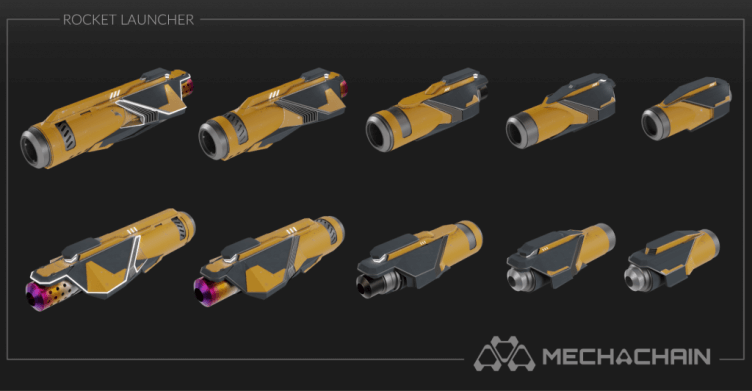
This is especially visible in projects that evolve after release. Content isn’t just shipped once and left as is. It’s extended, rearranged, and expanded over months or years. In that kind of setup, the cost of rebuilding assets again and again becomes hard to justify. Teams that plan for reuse early tend to move faster later, simply because they avoid repeating the same work.
There’s also a practical impact on timelines. Even a small drop in how many assets need to be built from scratch can make a real difference over a full production cycle. If part of the environment can be reused or adapted, the workload goes down and so does the risk. Fewer new assets usually mean fewer inconsistencies and less time spent checking and fixing things.
At the same time, pipelines become more stable. When assets follow shared rules – scale, materials, structure – they are easier to integrate, test, and update. That stability matters more in systems where content changes frequently, because each update builds on what was already there.
This is one of the reasons outsourcing studios are often involved in these workflows. Their experience with large volumes and structured pipelines makes it easier to maintain consistency while still producing new content.
What changes, in the end, is not how assets are created, but how they are expected to live after they are created. Production doesn’t end at delivery anymore. It continues as assets are reused, adjusted, and integrated into new contexts.
7 Rules For Working With Art For Metaverse From Kevuru Games Experts
Olga Andrianova, our head of 3D department, says that working on assets for Metaverse is not drastically different from other work, but there are certain rules that need to be considered in the process.
- Keep shading and lighting in mind from the start. Typically, it’s left for later stages of art development, and you can’t really change the standard order. But when assets need to hold up across different engines and setups without breaking visually, more factors are involved and there’s a higher risk of repeating the same work if it wasn’t considered beforehand.
- Think modular early. It saves time later, especially when environments expand or need variations. Reuse isn’t a bonus here, it’s part of how production stays manageable.
- Texture atlases are still one of the simplest ways to keep performance under control. Fewer draw calls matter, particularly on mobile or VR, where margins are tighter.
- Topology should stay clean, but not for the usual reasons people mention. In most cases related to metaverse art, it’s about stable shading and predictable optimization rather than deformation.
- Keep an eye on real-time constraints throughout the process, not just at the end (yes, it was told previously about shading and lighting, too… but that’s how it works). Polycount, texture sizes, and draw calls tend to stand in the way of delivering those versatile assets if they’re not tracked early.
- Export settings and asset structure are easy to overlook, but they affect integration more than people expect. Clean files save time for everyone down the line.
- And finally, consistency matters more than individual quality. Texel density, materials, and overall balance across assets are what make the scene feel cohesive.
To Sum Up. What Clients Should Look for in a 3D Outsourcing Partner
From the client side, this shift changes what matters when choosing a studio.
Visual quality is still important, but it’s no longer enough on its own. An asset can look great in a portfolio and still create problems once it enters production – especially if it needs to be reused, modified, or integrated into a larger system. What starts to matter more is how the work holds up over time.
A few practical things tend to make the difference:
- whether assets follow consistent scale and structure
- how clean and predictable the geometry is
- how materials behave under different lighting conditions
- how easy it is to adjust or reuse the asset later
- how well everything fits into an existing pipeline
These are not always visible at first glance, but they affect how smoothly production runs.
It’s also worth looking at how a studio handles volume. Projects that rely on frequent updates or large environments need more than individual assets – they need a consistent system behind them. That includes naming conventions, modular approaches, and a clear understanding of how assets are organized and reused.
In that sense, a good outsourcing partner is not just delivering models. They’re contributing to the stability of the production process.
And in environments where content is constantly evolving, that stability becomes just as important as the final look.