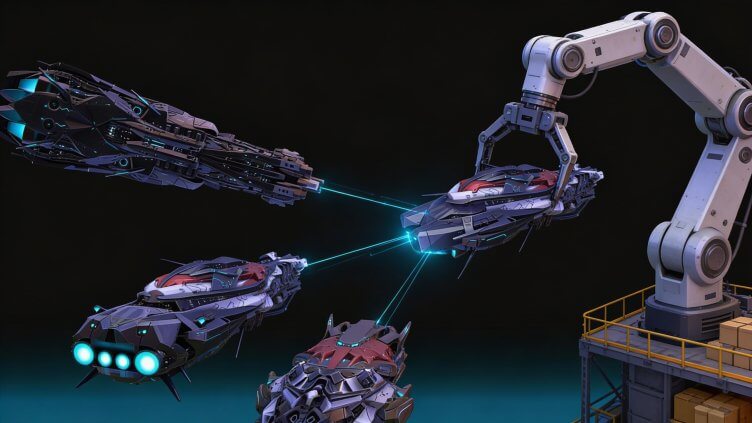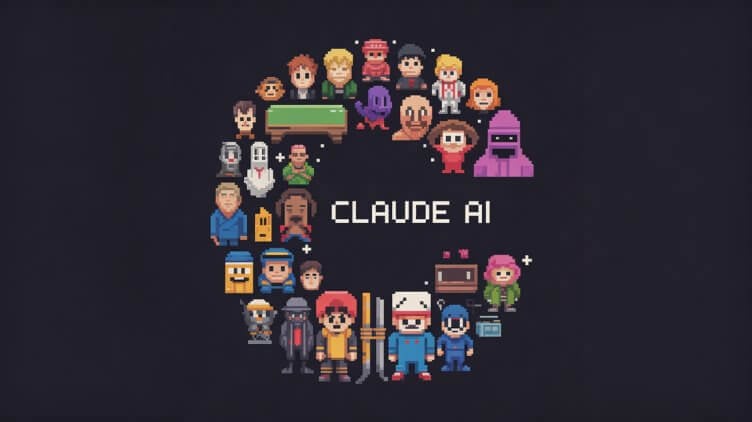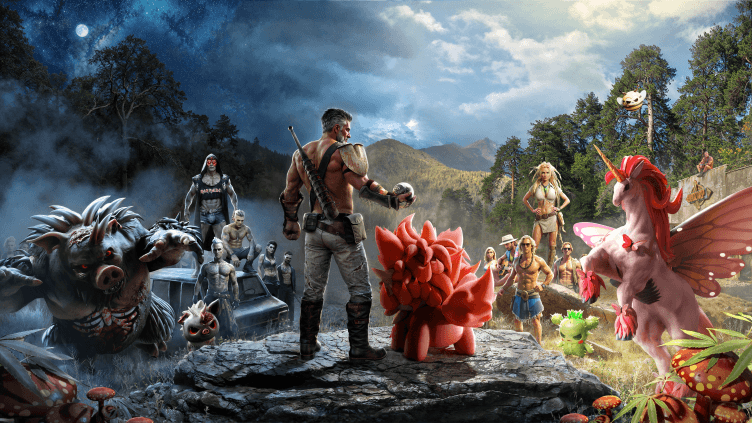

If you look at the list of trends in game art, photorealism has been there for years. And so have various other styles. Every time the technology brings 3D art closer to reality, it seems like realistic style is going to take over, strapping gaming world of art diversity. Sounds like an old story?
The first time it was heard was in 19 century, when photography was invented and some artists started panicking as their craft seemed to be endangered. Almost two hundred years later, we can safely state that the art didn’t disappear – it has evolved in many beautiful ways, partly because of the photography challenge, and even old-school oil portraitists still have jobs. And our guess is that a similar thing is happening in the world of video games.
Let’s replay this story one more time and bring evidence and numbers to prove the point for once: to navigate trends, you don’t need to know what is trendy. You need to understand general rules behind trends changes. Let’s try to get there, starting from the basics.
Photorealism: When the Real World Becomes the Starting Point
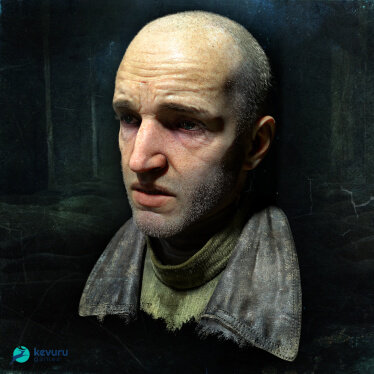
Art from Kevuru Games portfolio
In modern AAA production, photorealism rarely begins with sculpting anymore. Quite often, it starts outside the studio. Artists go out and photograph real materials – rocks, asphalt, tree bark, damaged walls, bits of concrete. The number of photos taken can reach a hundred. These images get processed with photogrammetry software that creates a 3D model that is as close to reality as a photo.
Looks like a great technology, right? The funny part is that the result looks impressive but is almost useless for the game at first.
Scans come out heavy, chaotic, and full of problems. The topology is messy. The mesh is far too dense. Texture data needs cleaning. So the real work starts after the scan: rebuilding topology, simplifying geometry, adjusting materials so they behave properly in the engine.
A lot of environment work in The Last of Us Part II followed this approach. The surfaces feel believable partly because many of them originate from real-world reference. But what players see on screen is the result of refinement, not just capture.
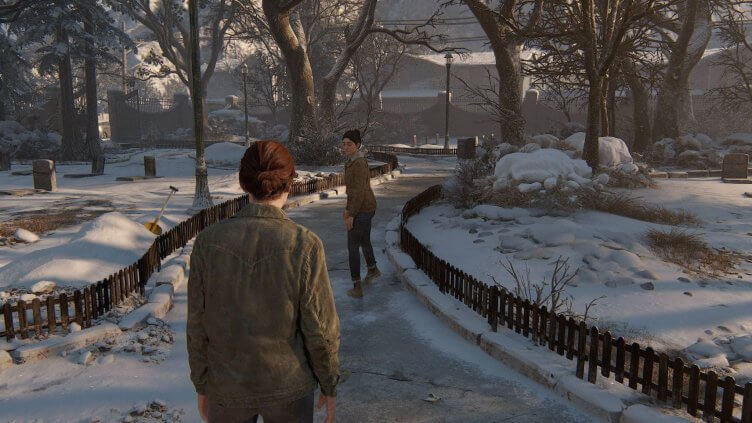
Image credit: The Last of Us II
Something similar happens in Red Dead Redemption 2. The world feels grounded because materials behave consistently. Wood absorbs light differently from metal. Dirt reacts differently from stone. That consistency matters more than sheer polygon density.
For outsourcing studios, working in a photorealistic pipeline often means stepping into an existing system. Assets must match the material logic already used in the project. Lighting, scale, and detail levels have to remain consistent with the rest of the environment.
It’s less about creating a single impressive model and more about fitting hundreds of assets into the same visual reality.
And that’s where photorealism becomes demanding. Not because the models are complicated – but because everything has to follow the same rules.
Stylization: Design First, Detail Second
Obviously enough, stylization is the opposite of photorealism. Closeness to the real world is not a strength here. It’s all about following an original style, and create a new reality based on this style. That often means fewer polygons, but not less thought.
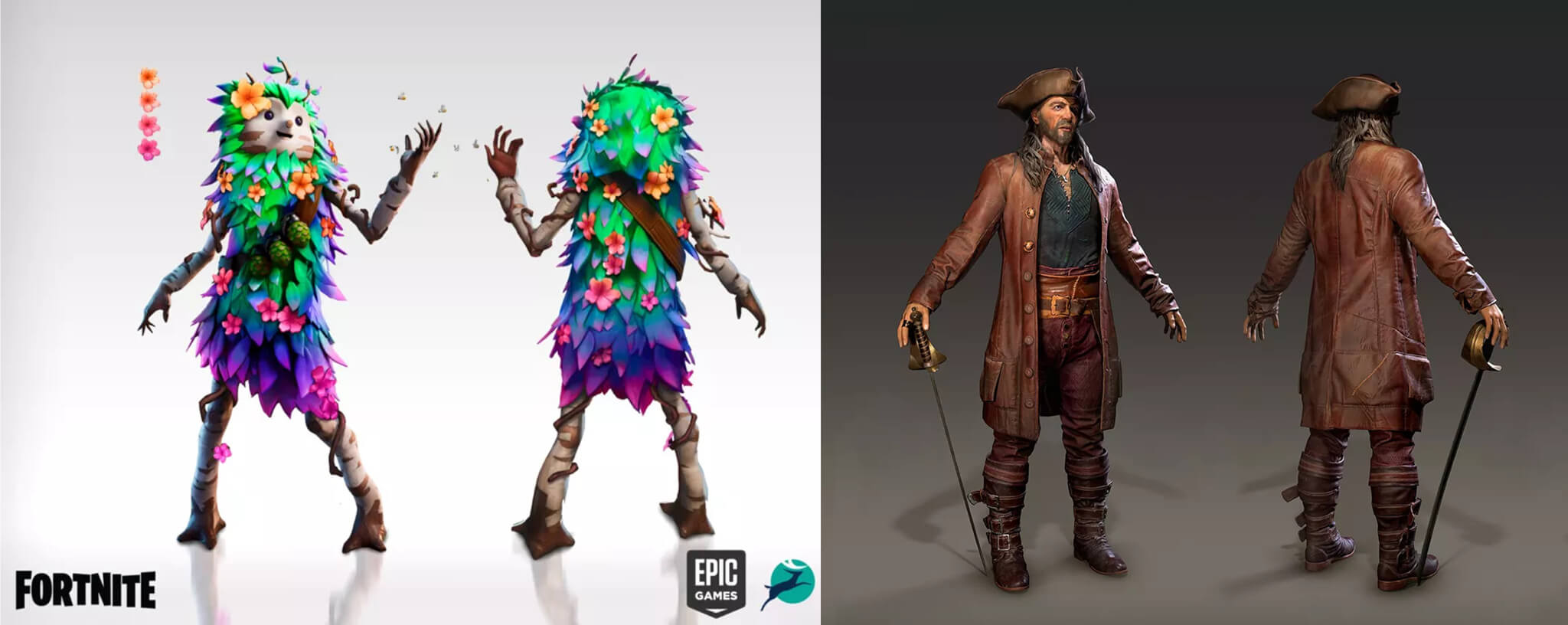
Take Fortnite. The characters are exaggerated, materials are simplified, and surfaces rarely aim for physical accuracy. But that’s what people want from their skins – not look like real people, but look strange and fantastic. Here are some skins we made for Fortnite: Bushranger is a totally unexisting anywhere in the worlds thing, and that’s why it got so popular among the players.
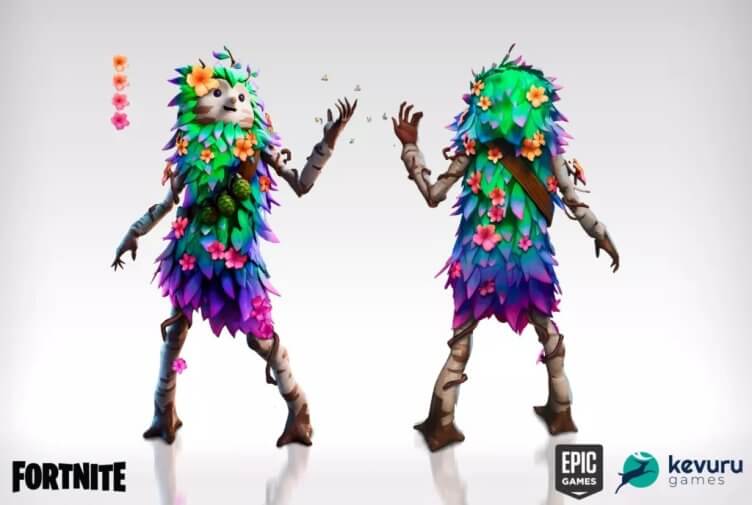
Art from Kevuru Games portfolio
Another example is Deep Rock Galactic. The game’s environments rely on bold shapes and strong color contrast rather than dense geometry. Even in chaotic cooperative combat, players can quickly identify terrain, enemies, and objectives. The art direction supports gameplay readability rather than competing with it.
Stylization also affects the production pipeline. Instead of scanning materials or chasing photographic accuracy, artists spend more time defining rules for the visual language of the game.
Outsourcing studios have to focus on such priorities:
• strong silhouettes
• controlled color palettes
• readable materials
• simplified geometry that still conveys weight and structure
For outsourcing studios, stylized projects often require a different type of discipline. The challenge is not matching real-world references but staying consistent with the project’s visual logic. A single prop that breaks the style – too realistic, too noisy, too detailed – can stand out immediately.
In that sense, stylization can actually be less forgiving than realism.
There are fewer details to hide mistakes. Everything depends on proportion, clarity, and cohesion.
Photorealism vs Stylization: Which One Is More Popular?
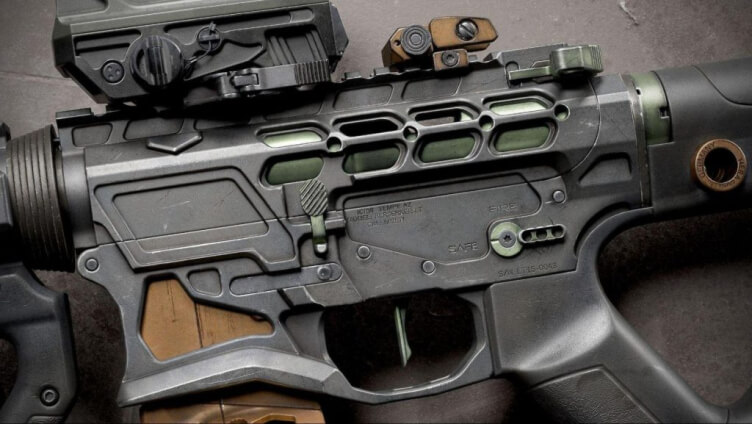

Art from Kevuru Games portfolio
On the list of the most popular games in the world, the division between two types of art looks like this: photorealistic games make around 35-40% of all, while stylized – 60-65%. The same tendency has been continuing for many years, the balance staying at the same level.
You can see that the photorealistic ones typically belong to the biggest studios: Red Dead Redemption 2 by Rockstar Games, Call of Duty by Activision, EA Sports FC by Electronic Arts, and so on.
This is what people expect from AAA studios: using last tech advances and huge budgets to create most immersive experiences for gamers. These games earn a lot at the release, but not necessarily last for decades (although many of them do, like GTA V, for example).
The games that tend to engage players for many years, are often stylized ones, with basic visuals that don’t really require latest technology and high performance devices (for instance, Fortnite, Minecraft, and so on). They still make lots of money, but the work of studios to make them profitable over time focuses on different objectives, such as creating additional assets (skins, limited collection of accessories), or making small additions.
The expectations from indie studios are the opposite: they tend to release titles with stylized art that looks original and instantly recognizable. It may look simple, but the work invested is huge. The same goes for hybrid style, the one that combines elements of both photorealism and stylization. Here are the reasons.
Why Mixing Styles Is Harder Than It Looks
On paper, combining photorealism and stylization sounds like a good idea. Realistic environments with stylized characters, or the other way around – it feels like a way to get the best of both worlds.
In practice, it’s one of the easiest ways to break visual cohesion. The problem isn’t modelling itself. You can build both types of assets just fine. The issue shows up once everything sits in the same scene.
Materials start behaving differently. Realistic surfaces follow physically based rules – roughness, reflections, light absorption. Stylized materials often ignore or simplify those rules. When both exist side by side, lighting exposes the difference immediately.
Scale perception can drift too. Stylized characters might have exaggerated proportions, while realistic environments follow real-world measurements. Put them together without adjustment, and something starts to feel off – even if the player can’t explain why.
Detail level is another common issue. A highly detailed environment next to simplified characters can make the characters feel out of place. Or the opposite – stylized environments can make realistic assets look too “heavy” or overly complex.
There are games that handle this balance well, like Overwatch. The characters are clearly stylized – exaggerated proportions, simplified forms – but the materials and lighting are grounded enough that nothing feels disconnected. Here is how it looks.
Successful hybrid projects define clear rules for how materials behave, how lighting is handled, and how proportions are balanced. Less successful ones simply combine assets without fully reconciling those differences.
For outsourcing teams, hybrid styles are often more demanding than either pure realism or pure stylization. You’re not just matching one visual language – you’re balancing two, without letting them pull the project apart.
Why Style Choice Is Often a Business Decision
From the outside, the choice between photorealism and stylization looks like an artistic one. In reality, it’s often decided much earlier – and for very practical reasons.
Platform is usually the first constraint. If a game needs to run across a wide range of devices – especially mobile – asset weight becomes a real constraint pretty quickly. It’s not only about frame rate. It’s about how big the build is, how much memory it takes, how stable it feels on weaker hardware.
That’s where stylization tends to work better. You’re not trying to push every texture or mesh to its limit, so things stay more manageable. It gives the team a bit more room to balance performance without constantly fighting the assets.
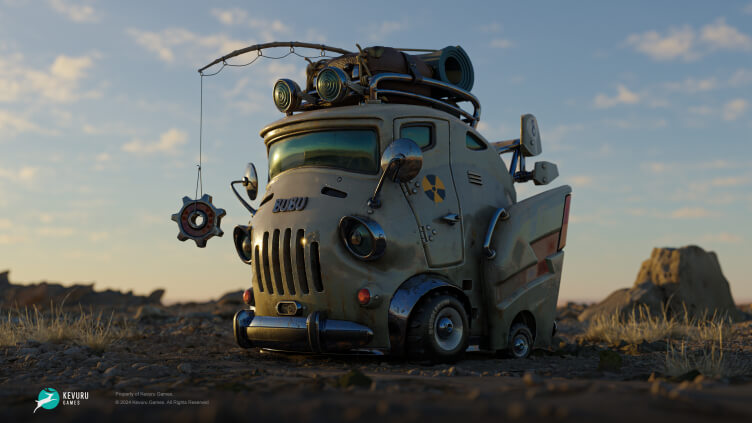
Art from Kevuru Games portfolio
Then there’s production speed. Live-service games don’t ship once – they update constantly. New skins, environments, seasonal content. In that setup, a photorealistic pipeline becomes expensive to maintain. Every new asset has to match a high level of detail and material accuracy. Stylized pipelines are more flexible. They allow teams to move faster without breaking visual consistency.
Budget plays its role too. Photorealism scales quickly. One highly detailed asset is manageable. Hundreds of them, all needing to match the same level of realism, become a different problem entirely. That’s where outsourcing often comes in – not because internal teams lack skill, but because the volume becomes difficult to handle.
At the same time, some projects choose realism on purpose. If the goal is cinematic immersion or competing with AAA benchmarks, visual fidelity becomes part of the product itself. In those cases, realism is not just an artistic choice – it’s a positioning decision.
So the split usually looks something like this:
Stylization – when you need speed, scalability, and broad platform support
Photorealism – when you need immersion, detail, and visual impact
Outsourcing studios don’t just adapt to style. They adapt to the reasons behind it.
The Role of Technology in Both Directions
Technology influences both photorealistic and stylized production, but not in the way people often expect. New tools don’t automatically push games toward realism. In practice, they just give artists more flexibility.
Take modern game engines. Systems like Nanite in Unreal Engine allow extremely dense geometry to be rendered directly in real time. A few years ago that level of detail would have required aggressive optimization and baking workflows. Now it’s often possible to keep much more of the original mesh.
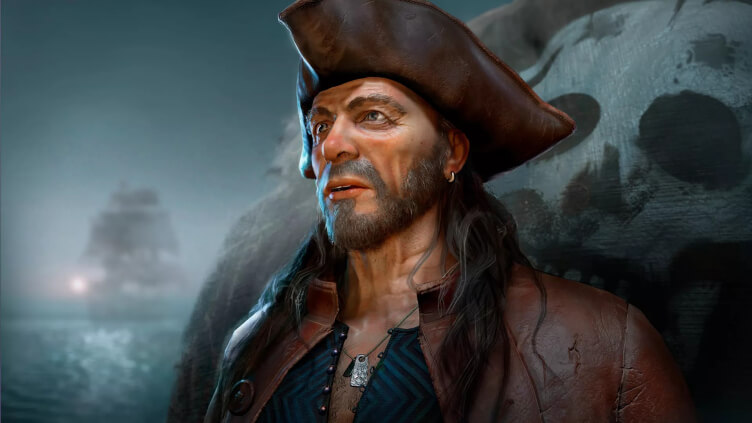
Art from Kevuru Games portfolio
That obviously benefits realistic environments. But the same technology also helps stylized projects. Faster rendering and real-time lighting make iteration easier, which matters when teams are experimenting with shapes, colors, or atmosphere rather than physical accuracy.
Material tools have gone through a similar shift. Software like Substance Painter and Designer changed how artists work with surfaces. In realistic projects the goal is usually physical consistency – making sure metal reflects correctly, stone behaves like stone, fabric reacts to light the way we expect.
Stylized projects use the same tools differently. Instead of matching real materials, artists often simplify them. Color becomes more important than micro-detail. Surfaces may exaggerate wear or ignore physical accuracy entirely, as long as the style stays coherent.
AI tools are starting to appear in these pipelines as well, mostly in places where artists would normally spend hours repeating the same steps. Texture cleanup, variation generation, small detail passes – the kinds of tasks that are necessary but not particularly creative. AI helps save time while keeping the quality and detalization level high. We have explained how we use AI-assisted pipeline here.
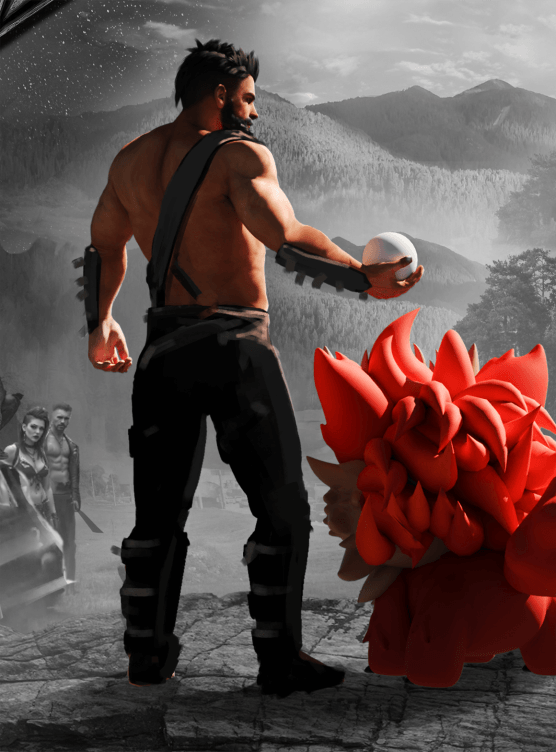
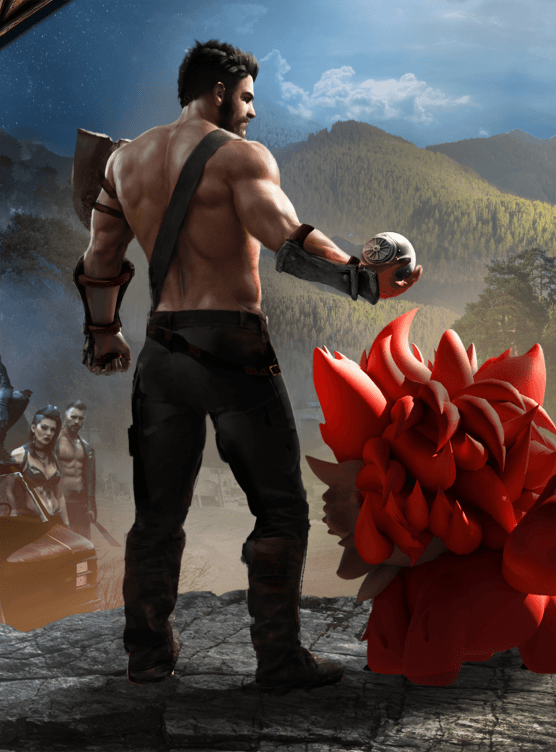
Art from Kevuru Games portfolio
What’s interesting is that none of this technology actually chooses a visual direction.
The same engine can support a highly realistic open world or a deliberately simple stylized one. The tools don’t decide the style. They just remove some of the technical friction around producing it.
Stylized vs photorealistic games: why they don’t compete:
- Photorealistic games often showcase technology at launch.
- Stylized games often sustain engagement over many years.
How Outsourcing Studios Build Two Different Pipelines
Photorealistic and stylized projects may both fall under “3D art,” but from a production perspective they behave almost like different disciplines.
Outsourcing studios rarely specialize in only one of them. A single team may work on a realistic military environment for a shooter one month and stylized props for a mobile game the next. Supporting that range requires more than versatile artists – it requires flexible pipelines.
Photorealistic production is usually reference-driven. Artists rely heavily on real-world materials, scanning data, and physically based rendering rules. Consistency becomes the main challenge. If one material reacts to light differently from the rest of the environment, it immediately breaks immersion.
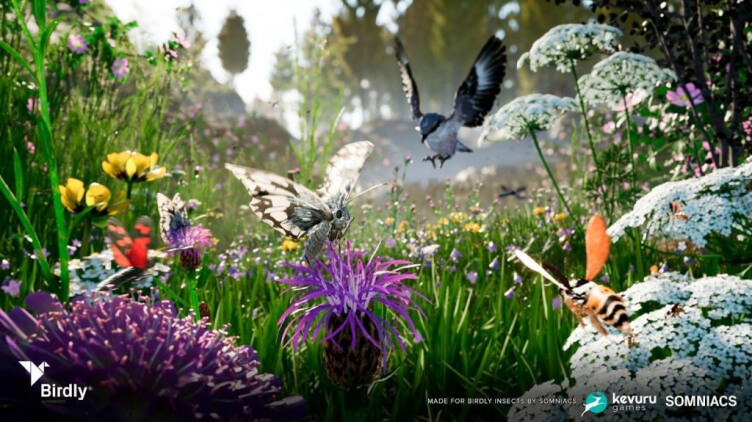
Art from Kevuru Games portfolio
Stylized production follows the opposite logic. Instead of matching reality, artists must match a style guide. Color ranges, proportions, and surface treatment are tightly controlled. The danger here isn’t realism – it’s deviation. One asset that is too detailed or too realistic can disrupt the entire visual language of the game.
For outsourcing teams, that means switching between two very different evaluation criteria.
| Photorealistic Pipeline | Stylized Pipeline |
| real-world reference matching | style guide adherence |
| physically based materials | controlled color palettes |
| scan cleanup and reconstruction | silhouette and proportion design |
| material accuracy under lighting | readability during gameplay |
The tools may overlap, as all games are built with Blender, ZBrush, Substance, Unreal, but the artistic decisions behind them change dramatically depending on the project.
Studios that work across both styles learn to treat visual direction almost like a technical specification. Before modelling even begins, artists need to understand which rules define the project: physical realism or stylistic coherence.
Conclusion: Style Is a Constraint, Not a Goal
One thing becomes clear when you look at enough projects: studios rarely start with “we want realism” or “we want stylization.” They start with constraints. Time, budget, platform, team size, how often the game needs to be updated – all of that starts shaping the visuals before anyone even opens a 3D tool. By the time production begins, a lot of the direction is already decided. Style just follows those decisions.
That’s probably why the same debate keeps coming back. Photorealism vs stylization sounds like a creative discussion, but in practice it’s usually a production one. You can see it in how different games succeed.
Minecraft works because its simplicity allows it to scale endlessly.
Fortnite works because its stylization supports constant updates without breaking cohesion.

Art from Kevuru Games portfolio
Red Dead Redemption 2 works because that level of realism is supported by years of coordinated production. It’s not just about detail – it’s about everything lining up, from materials to lighting to animation. Those choices aren’t interchangeable.
You can see it in the numbers too. Stylized titles stay in the majority (about 60–65%) among new releases as well as most-played lists. Photorealistic projects are still produced by AAA studios, where it’s all a part of the status.
For outsourcing studios, this means the job isn’t to specialize in one visual style. It’s to understand the logic behind it.
A stylized project fails when it loses consistency. A photorealistic project fails when it breaks believability. A hybrid project fails when it tries to follow both sets of rules at once.