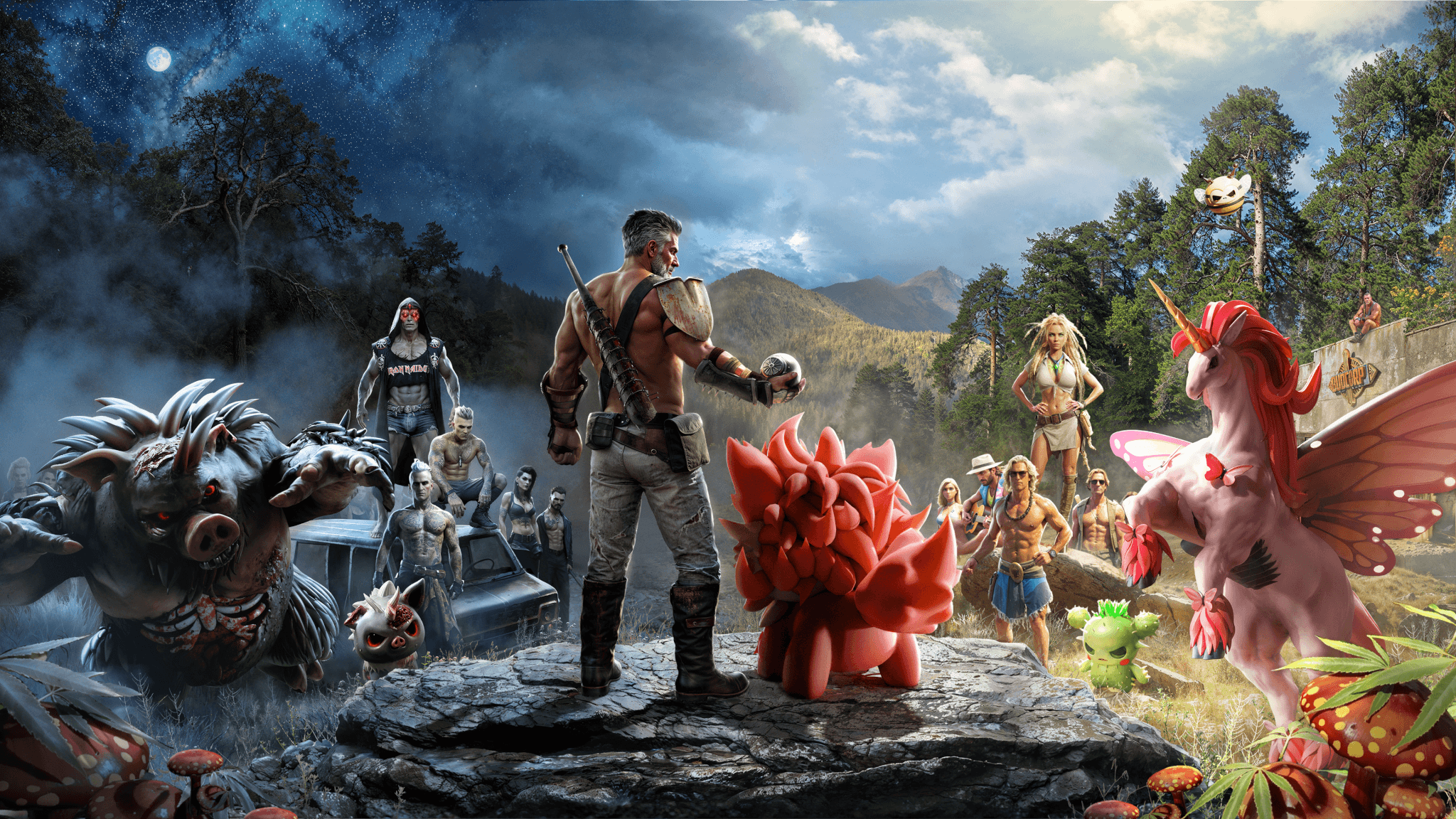

For the BallBuds Kickstarter key art, Kevuru Games used a hybrid pipeline where 3D modeling handled precision, an artist defined the style, and AI accelerated only the most tedious polishing steps, cutting that work by roughly 40%. The campaign went on to raise seven times its funding goal.
A Kickstarter pitch is one of the most important pieces of art for a game. While it could seem like an exaggeration, think of it this way: if the art doesn’t look interesting enough for people to donate, the game might not get funds for development at all. So, it’s called key art for a reason.
So, when we were commissioned to work on the Kickstarter project Ball Buds from Blauballs, we knew that it was not just a raw concept art that would be refined later. It had to be great, and it had to be done as quickly as possible.
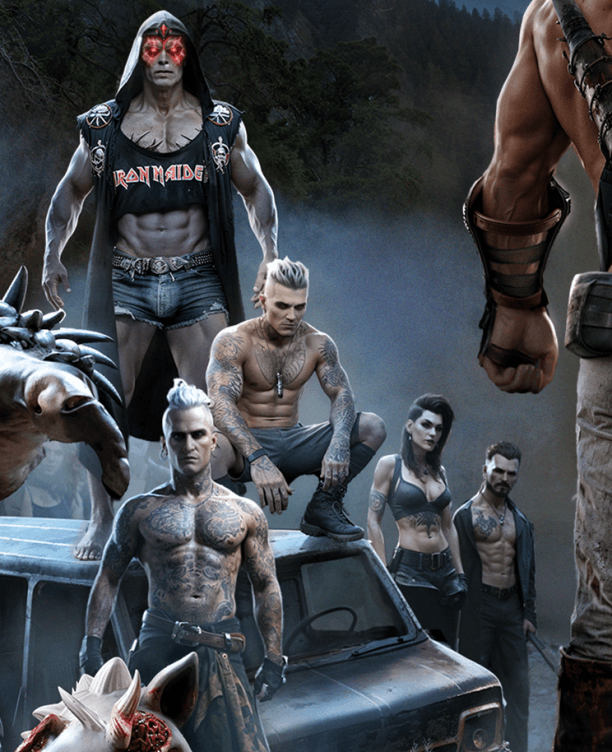
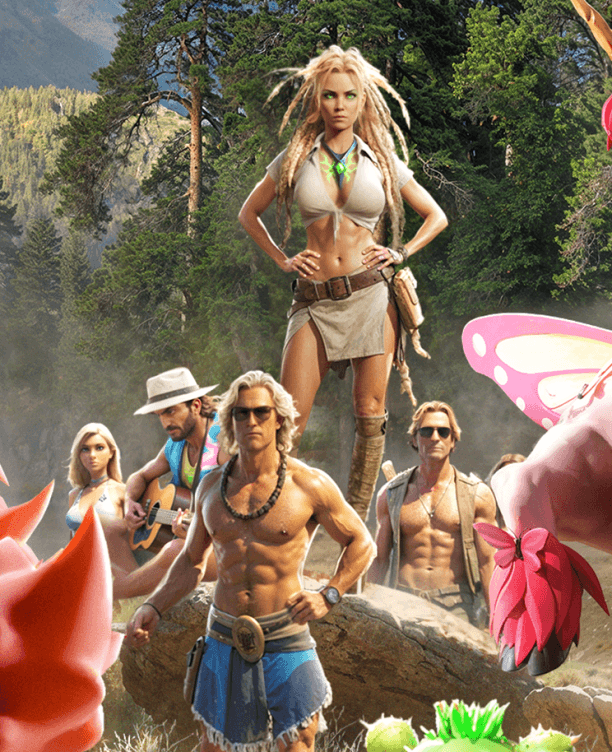
BallBuds: The Game is a first-person open-world monster-taming adventure. “You awake with no real memories on the beach of a hidden archipelago crawling with BallBuds – elemental creatures that range from cute and cuddly to nightmare-fueled killing machines. Two factions of stranded survivors are waging all-out war: one led by a heavy metal maniac obsessed with “alpha energy,” and the other by a performative “spiritual” influencer who thinks kombucha and mushrooms can create world peace.”
For the promo campaign to work, the key art had to do more than just look good – it had to hold attention. At the same time, we couldn’t lose the project’s original visual language while pushing the image toward a more detailed, cinematic result.
Below is the breakdown of the process and where AI actually helped speed up the final refinements.
Preparation of the 3D Base
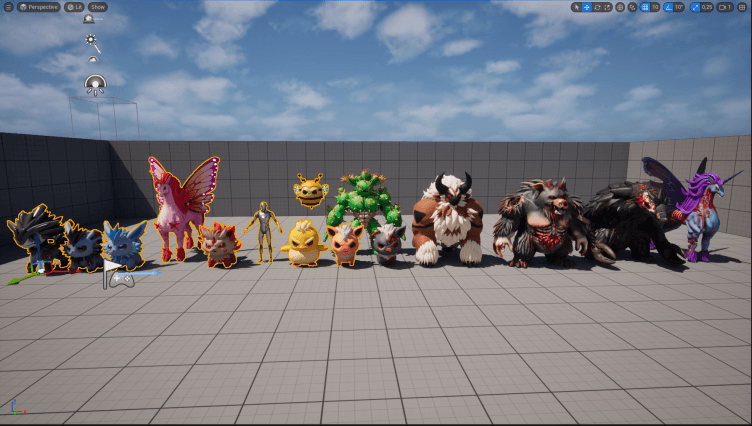
To achieve maximum authenticity, we requested a package of in-engine game characters from the developers. This allowed us to work with the original models and preserve the project’s stylistic integrity. While this project started from existing production assets, the same workflow can be adapted from the earliest visual development stages when clients hire concept artists to establish the project’s artistic direction before moving into 3D production.
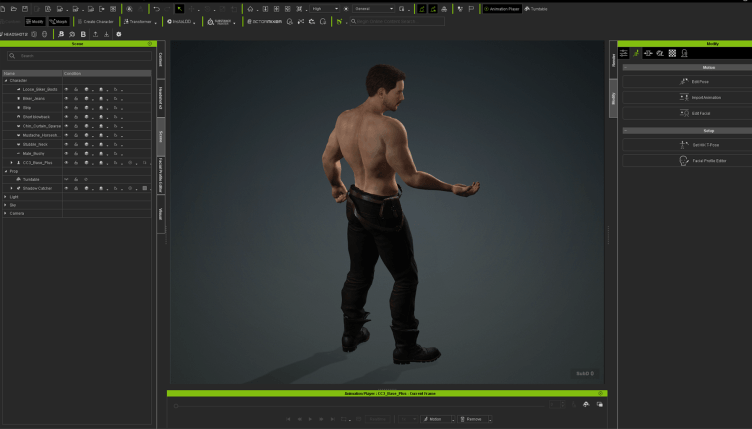
Before that, the characters themselves were assembled and refined in Character Creator 4. This stage allowed precise control over proportions, facial features, clothing, and poses based on the reference materials.
This workflow allowed us to maintain full control over the final look and prevent accidental proportion shifts or stylistic inconsistencies at later stages.
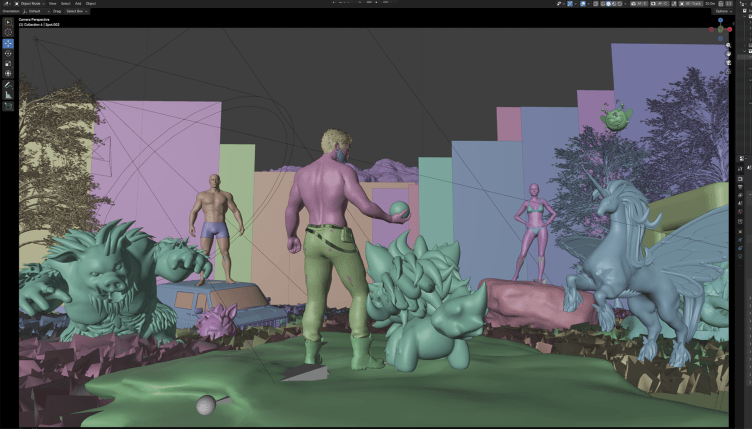
Rendering and Artistic Enhancement
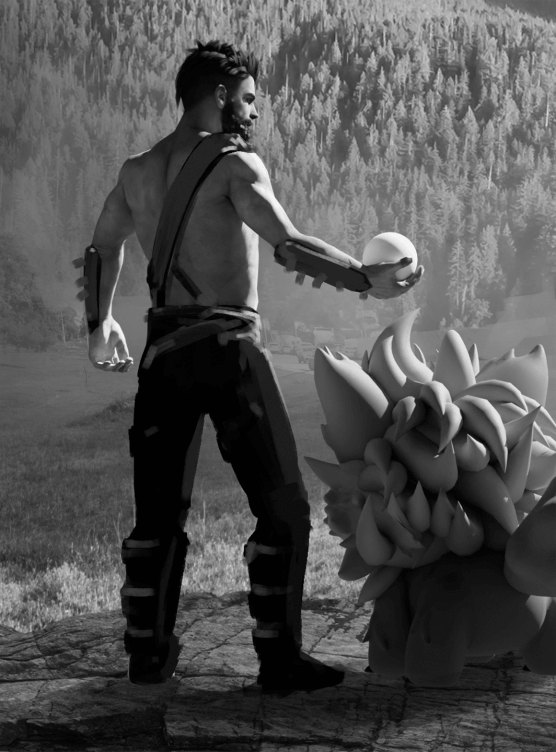
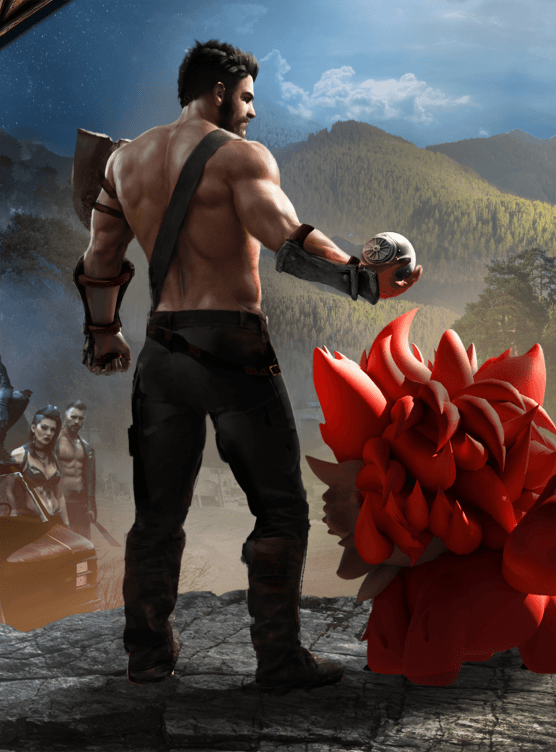
After the scene was rendered, we brought the image into Photoshop for the final pass. Here we worked over the render with photobashing, custom brushwork, additional lighting layers, atmospheric effects, and depth adjustments to refine the composition.
The aim was to push the image beyond a raw render – increasing contrast, atmosphere, and visual tension so the final result feels more illustrative and expressive. This is the same production mindset used in AAA game art, where every stage of the pipeline contributes to a polished marketing image without compromising the project’s original visual style.
AI Integration in the Pipeline
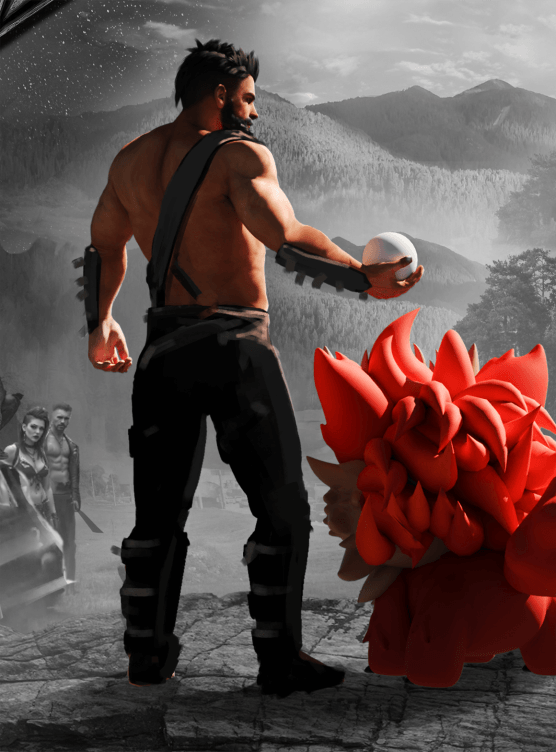
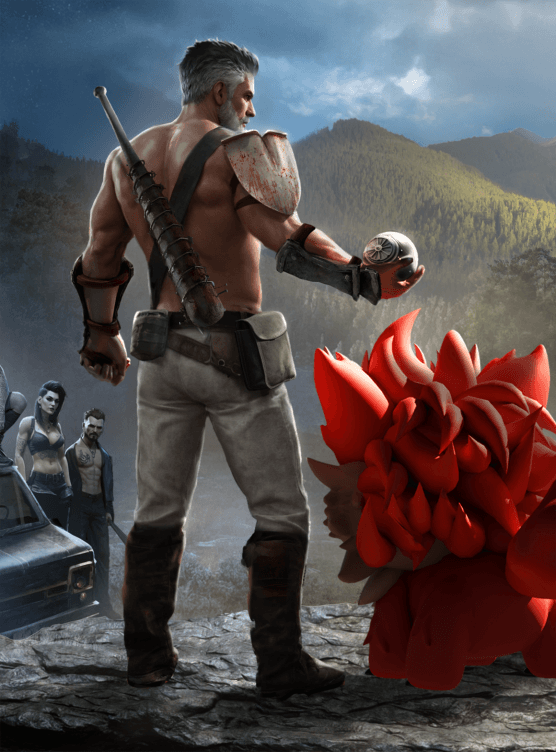
Unlike fully AI-generated artwork, our workflow used Stable Diffusion only as a controlled enhancement layer at the final stage. (Readers interested in the technology can find implementation details in the official Stability AI documentation.) We applied custom generation parameters tailored specifically to the project’s visual style.
The AI outputs were not used directly. Instead, they were blended into the base artwork through photobashing, using soft, semi-transparent layers. This approach allowed us to:
• enhance textural richness
• introduce micro-level detail
• achieve a more polished final look
• avoid the typical “neural” or synthetic appearance
AI functioned strictly as a supportive instrument rather than a primary visual source.
Traditional vs AI-Assisted Production Workflow
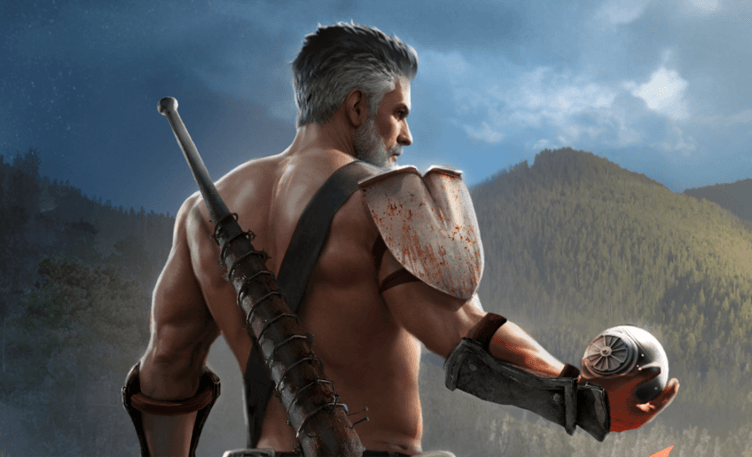
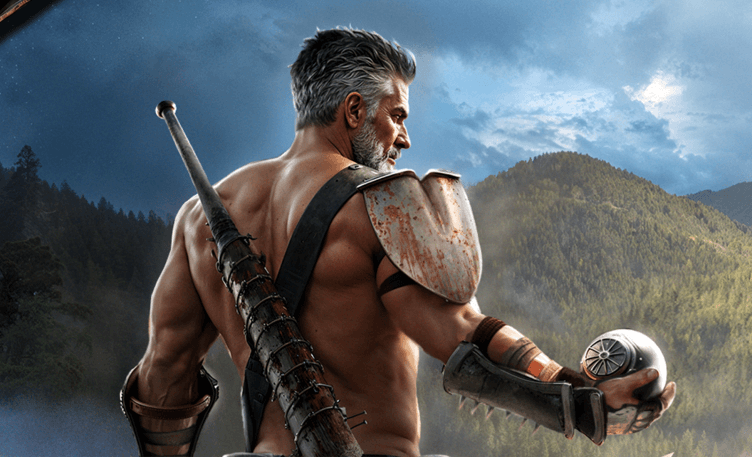
The BallBuds project demonstrated that AI can accelerate selected production stages while artists still do the most important parts: creative direction, composition, and final quality. Here is the difference between an AI-assisted game art pipeline and a traditional one.
| Production Stage | Traditional Workflow | AI-Assisted Workflow |
|---|---|---|
| Initial render refinement | Fully manual paint-over and detailing | Manual paint-over supported by AI-generated detail passes |
| Iterations | More manual revisions after each client review | Faster refinements with fewer repetitive adjustments |
| Production time | Longer polishing stage | Up to 40% faster final polishing |
| Cost efficiency | More artist hours spent on repetitive work | More time allocated to creative decisions and final quality |
| Creative control | Fully artist-driven | Fully artist-driven, with AI used only as a supporting tool |
As you can see, it’s not what people imagine when they think of AI Stable Diffusion game art or something like that. We use AI as a precision tool to speed up repetitive tasks, such as lighting or texture polishing. For tasks where speed matters most, such as Kickstarter game art production, our artists are happy to be able to use AI instead of rushing and working overtime to get all done in time. You can read more on how we combine AI and human creativity for 3D character creation on our blog.

Visual Cohesion in Crowd Scenes
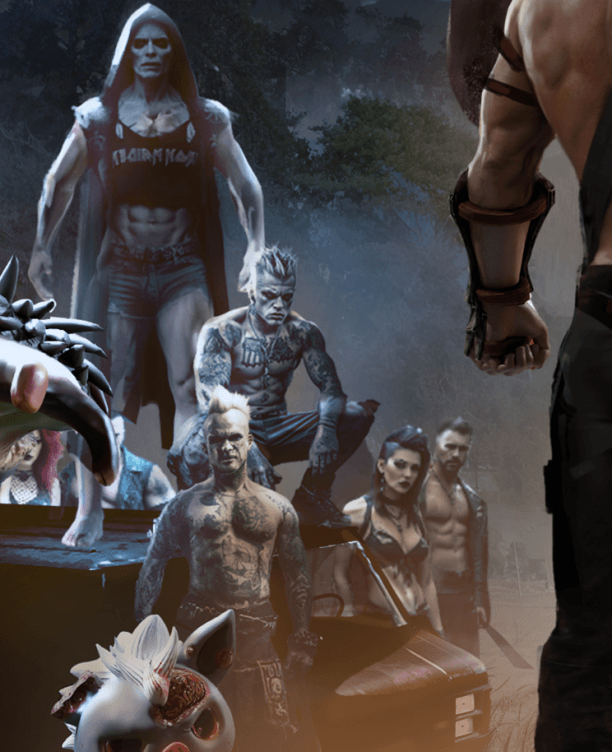
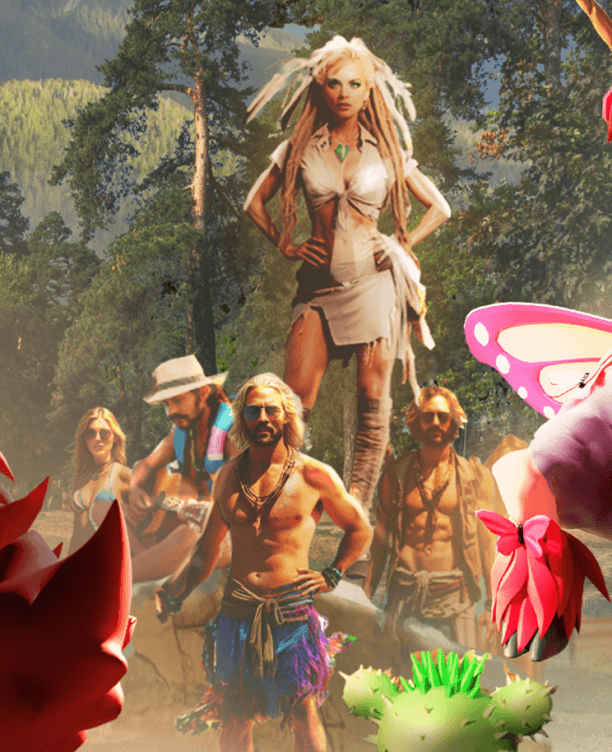
For large-scale crowd scenes, the client provided AI-generated sketches. Our goal was to retain the characters’ original authenticity while adapting them to the semi-realistic style used in the final render.
To achieve this, we combined 3D base work, manual detailing, and carefully controlled AI upscaling. This approach allowed the crowd to merge naturally into the scene, maintaining visual consistency with the overall composition without standing out stylistically.
Final Outcome
The Blauballs project became an example of a hybrid AI pipeline where:
• 3D ensured precision and structural control
• The artist defined the style and artistic expression
• AI polished the details and accelerated production
This approach allowed us to create a visually striking key art while maintaining full creative control at every stage of the production process.
AI wasn’t used to generate art based on other artists’ creations. It was used to save the time of our artists. The most tedious work was done 40% faster, and that time saving was crucial for the Kickstarter campaign. By the way, it gathered 7 times more money than the initial goal, and we are proud to have worked on this project.
Would you like to learn how AI-assisted pipelines can speed up the final polishing of game art? Ask our experts!