Poppy Playtime Chapter 2 Reaches All Consoles in Seven Months
KevuruGames took Poppy Playtime Chapter 2 from a PC-only hit to a fully certified release on four consoles. We rebuilt lighting, physics, and rendering to fit different technical requirements. Our console versions were even reviewed better than the PC original.
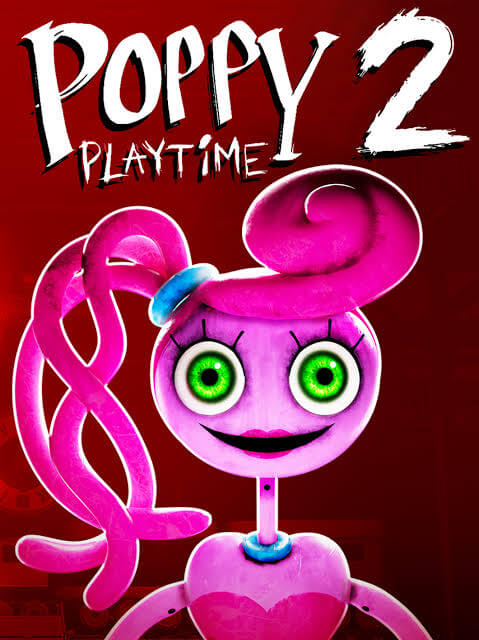
Poppy Playtime Chapter 2
Production Workflow
Part 1: Lighting, Geometry, and Rendering
With lighting volumes off the table, the team switched from dynamic to static lighting, baking it wherever possible to preserve the original look while keeping performance stable across every platform.
Complex location geometry made that baking harder than usual, so the team reworked the light maps and optimized the geometry itself, which made it possible to bake lighting at nearly every point in the game. On the rendering side, static mesh combining brought a high volume of draw calls down significantly, and added instance levels preserved the quality of the geometry without the original performance cost.
Part 2: Physics, Assets, and Playback
Migrating from Unreal Engine 4.27 to 5.4 unlocked the newer engine’s functionality but introduced physics issues that required a full system update, along with a handful of additional bugs worth fixing for the result. Several PC shader setups were not compatible with the console rendering pipeline and were reworked to match platform requirements without changing the overall visual tone.
Character assets carried higher polygon counts than the console budget allowed, so geometry was reduced, redundant bones removed from rigs, and hair setups simplified without altering the characters’ core silhouettes. A video playback implementation that caused crashes on PS4 specifically was replaced with a more universal, reliable approach.
Team structure
Developers
Handle the core porting work: engine migration, physics fixes, performance optimization, and adapting gameplay systems to console hardware.
QA Testers
Test builds across every target platform, catching performance issues, crashes, and platform-specific bugs before certification.
Tech Artist
Adapts lighting, geometry, and rendering pipelines to fit console constraints while preserving the game’s original visual identity.
UI Designer
Reworks controls and interface elements for console input, turning a PC-native experience into something built for a gamepad.
Project Manager
Organizes client communication, tracks the certification timeline across four platforms, and keeps monthly build reviews on schedule.
Values Delivered
Partnering with Mob Entertainment meant taking on a live, structured pipeline: monthly build reviews, staged certification across four platforms, and a client that trusted the team to work independently between checkpoints. That structure let the project move through research, engine migration, core development, and stabilization at a steady pace, with each console version certified and released as it cleared review.
The Results
Mob Entertainment brings its horror hit to four consoles
| Before | After |
|---|---|
| Dynamic lighting depended on ray tracing, unavailable on console | Static, baked lighting preserved the original look across every platform |
| Complex geometry blocked light baking in most areas | Reworked geometry and light maps enabled baking at nearly every point |
| High draw call volume caused performance issues | Static mesh combining and instance levels cut draw calls while preserving visual quality |
| Engine upgrade to Unreal Engine 5.4 introduced physics issues | Full physics system update resolved conflicts for consistent gameplay |
| PC video playback crashed on PS4 | A universal playback approach resolved crashes across consoles |
Console versions of Poppy Playtime Chapter 2 released across Xbox One, Xbox Series, PS4, and PS5, earning the Xbox Excellence Award and reviews that outperformed the original PC release, with players and critics pointing to improved performance and enhanced graphics as genuine upgrades over the source version.
What Was the Most Interesting Part in Porting Poppy Playtime 2?
Solving the lighting problem without ray tracing turned into the most creatively demanding part of the project. Dynamic lighting volumes had shaped the entire mood of the original game, and consoles simply could not run that setup. Rebuilding the same atmosphere through static, carefully baked lighting instead, without the game losing the look that made it work on PC, was less a technical checklist item and more a genuine design problem to solve.
What Was the Most Challenging Part in Porting Poppy Playtime 2?
Migrating the project from Unreal Engine 4.27 to 5.4 mid-project was the hardest technical hurdle. The upgrade unlocked functionality the console version needed, but it also broke physics behavior across the game, requiring a full system update rather than a quick patch. Fixing that introduced a handful of new bugs of its own, each one needing its own resolution before the build could move forward.
About Mob Entertainment
Mob Entertainment, formerly known as EnchantedMob, Inc., is the multimedia company behind the Poppy Playtime franchise. Founders Seth and Zach Belanger started with a YouTube channel and grew it into a full-scale gaming studio built around the series’ success, later choosing Kevuru Games to bring Chapter 2 to console.


