Concept art is the visual heartbeat of the gaming industry. Think of it like the bridge between a written script and a playable world. In art game design, artists do not just draw; they build blueprints. They define the ‘feel’ and the flow of the game. Studies have shown that over 90% of industry players believe concept art is vital to game development.
By following the industry standard of starting with products with low costs and adding value as content grows, studios ensure that their vision is both creative and efficient. This guide explores every corner of game art, from initial rough sketches to the high-fidelity types of concept art used in the world’s biggest blockbusters.
What is Concept Art?
Concept art is a series of visual sketches and detailed drafts that guide the creative team in determining the direction to take in a project. This could be anything from a doodle character to a polished illustration. The art is the foundation of the visual development of the game. So, the artists aren’t creating them for beauty but to bring everyone on the same page from the start.

Why Concept Art Matters
If there were no concept art, game development would be chaotic, expensive, and slow. Having it in place ensures that everyone in the creative process is looking at the same version of the game, and changes are made after everyone has agreed on them. Here are other benefits to be mindful of.
Fast Iteration
It is easier to make changes to a drawing rather than a finished 3D model. Artists can just redraw images that are boring and don’t match the focus of the game. Then, make small alterations until a final base image is realized. In contrast, remodeling a 3D character is more complicated and can take longer.
Sets the Tone for Game Emotions
Art sets the mood for the game and the emotional journey that players will be undertaking. A game can project an expression of loneliness, epicness, energy, terror, or horror.
Sells the Vision
Studios use high-end concept art to get funding from publishers or investors. It shows that the team has a clear plan, a unique visual voice, and a professional workflow. The art must summarize the game and the targeted audience from just the face value.
Guides the Gaming Community
Most studios give a sneak peek of their titles in development to keep their markets charged. It builds excitement and anticipation. In a way, the art defines the brand for the game even before launching.
The Process of Creating Concept Art
So, what goes into developing those creative sketches? Here is a breakdown.
- Research and Idea Generation
Themes come from discussions with the creative stakeholders to get a clear overall concept. This helps everyone understand the energy, vision, mood, and goals of the project. It also creates the overall style and story elements that the art will communicate.
Once the idea is formed, character concept artists bring together the materials and references required for the project. These may include photos, props, patterns, textures, architecture, lighting references, fashion styles, plants, and animals.
- Thumbnails and Sketching
The artists then create small thumbnails of the art sketches. They come in different camera angles, lighting, poses, and compositions. Here, the creative team gets general ideas and a refined overall style reference. There are discussions on the same, where a few of the sketches make it to the next stage for refinement.
- Detailing and Refinement
During refinement, the ideas that artists picked get additional details. They get defined shapes, perspectives, proportions, shadows, lighting, and facial features, among others. The ultimate goal is to refine the concept but keep it exploratory and loose for any changes to be effected.
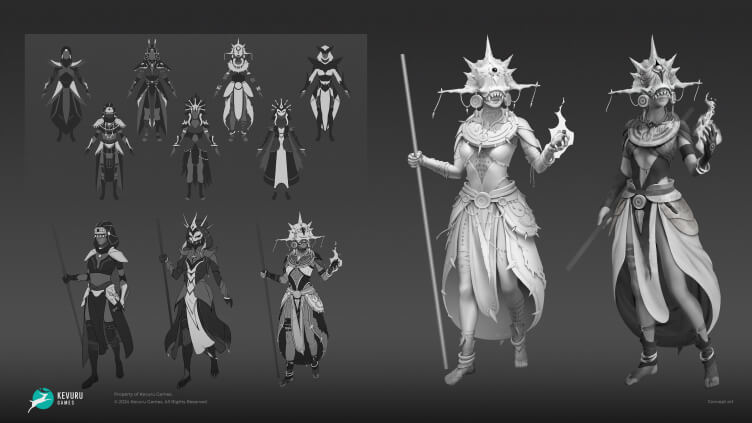
As part of the process, artists paint the elements in grayscale or limited color to study how lighting affects the objects. From here, they may add shadows, create focal points, and determine the depths of each item in the image.
- Polishing
Once the concept has been refined, the artist inputs more details and does the final rendering to realize the concept. Here, artists paint textures, add lighting, and manipulate shadows. They also add graphic design embellishments and special effects to enhance the mood. The art gets cumulative corrections until it is ready for use in the actual game or project.
Core Types of Concept Art
To build a world, studios use different kinds of concept art. Each serves a specific function in the production pipeline.
Character Concept Art
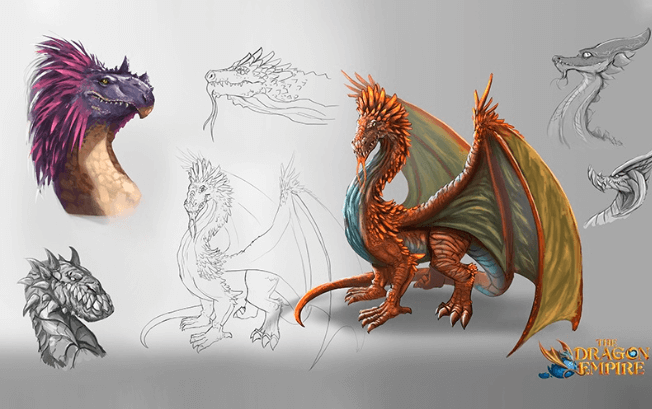
The character concept art defines the look, clothes, and personality of the people in the game. Character design art styles vary wildly depending on the genre. A horror game requires anatomical distortion, while a hero shooter needs bold colors and clear shapes.
A few questions often come to mind in the design stage. How does the character move? Which joints bend? Where does the character store their weapons? Every visual choice should tell a story. For instance, heroes get scarred armor to show that they have been to many battles.
Here are some more examples:
In Overwatch, every character gets a unique silhouette. You can differentiate Tracer from Reinhardt by just looking at their shadows. This is a masterclass in character readability.
Additionally, the bosses in Elden Ring use “storytelling through design.” Their tattered capes and golden armor tell you they were once royal before they lost their minds.
Environment Concept Art
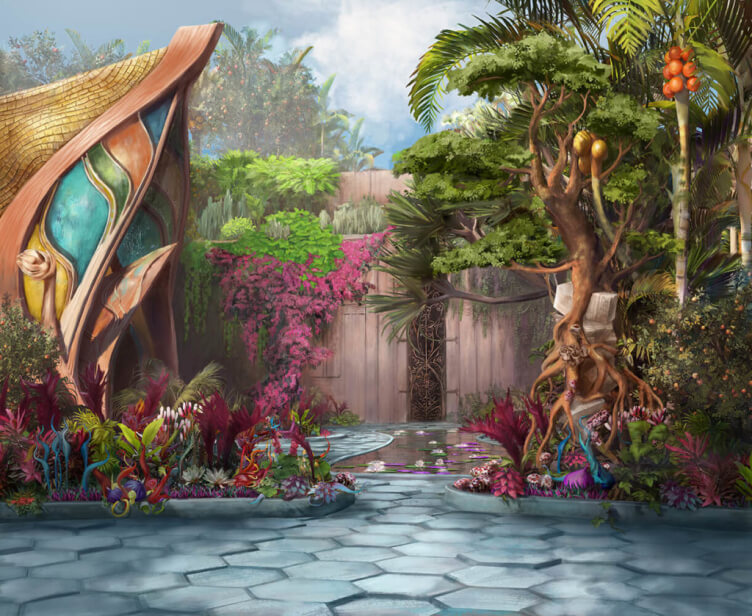
The concert art involves designing the world itself, covering everything from vast mountain ranges to cramped interior hallways. Environmental art establishes the “sense of place” and tells the player where they are and what the “vibe” is.
Sometimes, there are wide shots that focus on lighting and atmosphere rather than specific details. A case in point is Ghost of Tsushima, where artists used “color keys” to distinguish locations. One forest is entirely yellow leaves; another is deep blue moonlight. This helps the player navigate by memory.
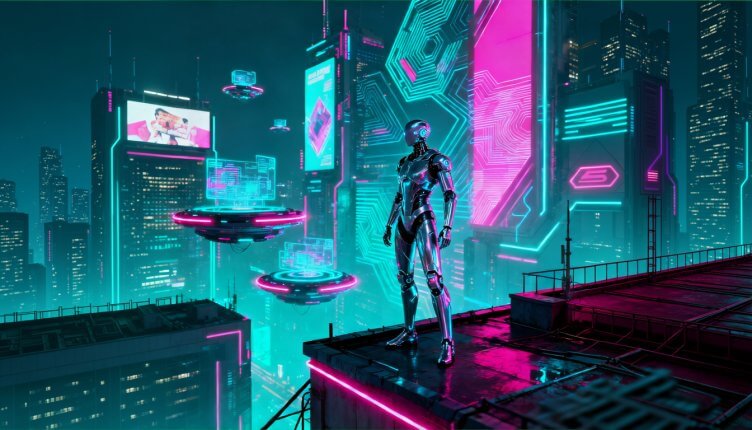
Artists may also use architecture to show history. Ancient ruins are a sign of a fallen civilization, while neon skyscrapers give an impression of a cyberpunk future. The underwater city of Rapture in BioShock is a perfect concept art example. The artists used “Art Deco” architecture to make the city look like a decaying 1940s dream.
Prop and Asset Design
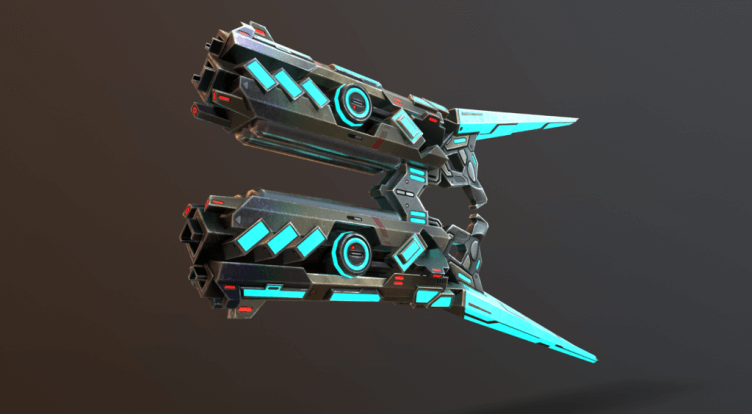
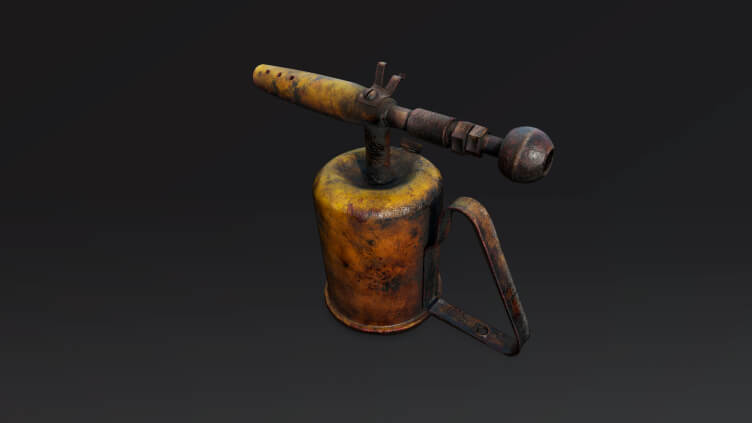
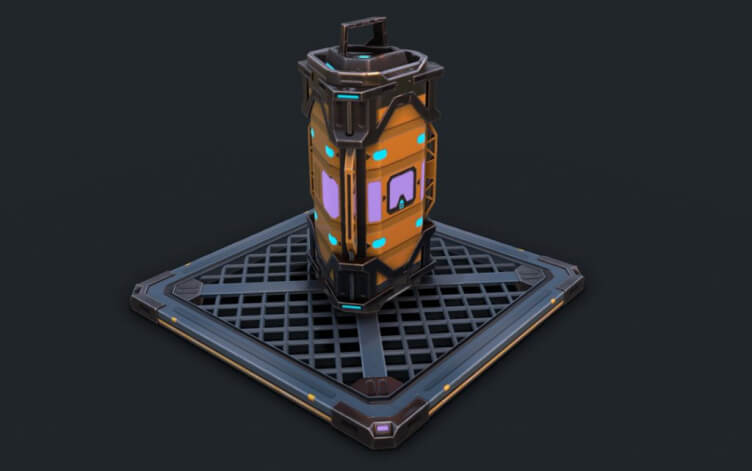
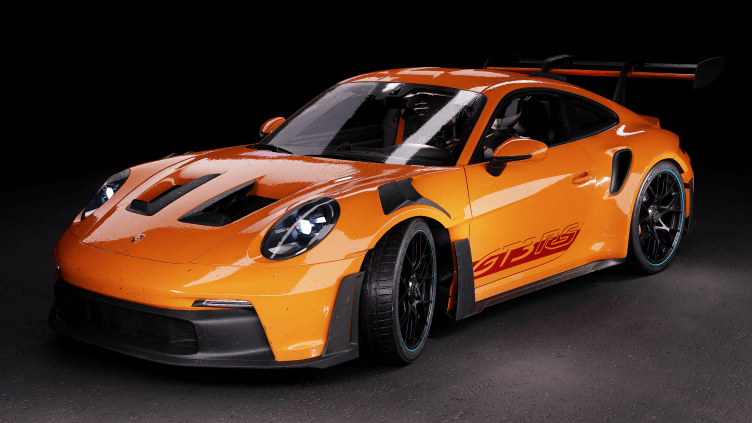
Props are the objects that fill the world. Examples are weapons, vehicles, furniture, loot boxes, etc. Artists may use callout sheets, technical drawings that show a prop from the front, side, and top. They often include “exploded views” to demonstrate how a machine works inside.
Think of the “Pipe Pistol” in Fallout 4. It looks like it was made from junk and scraps. The concept artists had to ensure the design actually appeared as if it could fire a bullet without exploding.
Another good illustration is The Legend of Zelda: Breath of the Wild, where “Ancient Tech” props (like the Sheikah Slate) use glowing blue lines and stone textures to signify that they are both old and high-tech.
Additionally, artists design functional-looking machinery. They must understand basic engineering so that a spaceship or car looks like it could actually function in the real world.
A standout example of industrial and vehicle design done well is Star Citizen. The developers at Cloud Imperium Games use a “manufacturer-based” design philosophy. Every spaceship manufacturer in the game has a unique engineering language.
UI/UX Concept Art
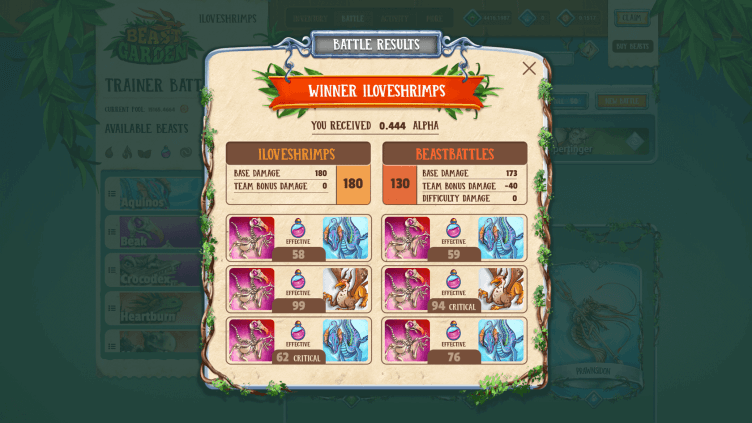
UI defines how users interact with the game. It includes icons, health/damage bars, and menus. These elements must match the overall art style to keep the player immersed in the plot of the game. Besides, a good UI becomes ‘invisible’ in the course of the playing, as it works without distracting them.
A good concept art example of the UI style is Persona 5. This title uses a bold ‘punk rock’ aesthetic that flows in different scenes. Its menus come in black and high-contrast red and white. The jagged shapes also add to the energy. In addition, every menu transition is animated to keep the player within the theme.
On the other hand, Dead Space infuses menus within the virtual world. A character’s health bar is a glowing tube on his spine, and holograms project from his suit to show his inventory. This keeps the player focused on the horror environment instead of looking at a separate 2D overlay on the screen.
Determining the Best Concept Art Style
The style of your art determines who will play and the emotions they get while gaming. It may deliver sentiments of horror, joy, sadness, desolation, and excitement. Also, the budget and technical requirements for the art team will be based on the style you pick. Here are the common options in the industry.
Photorealistic Style
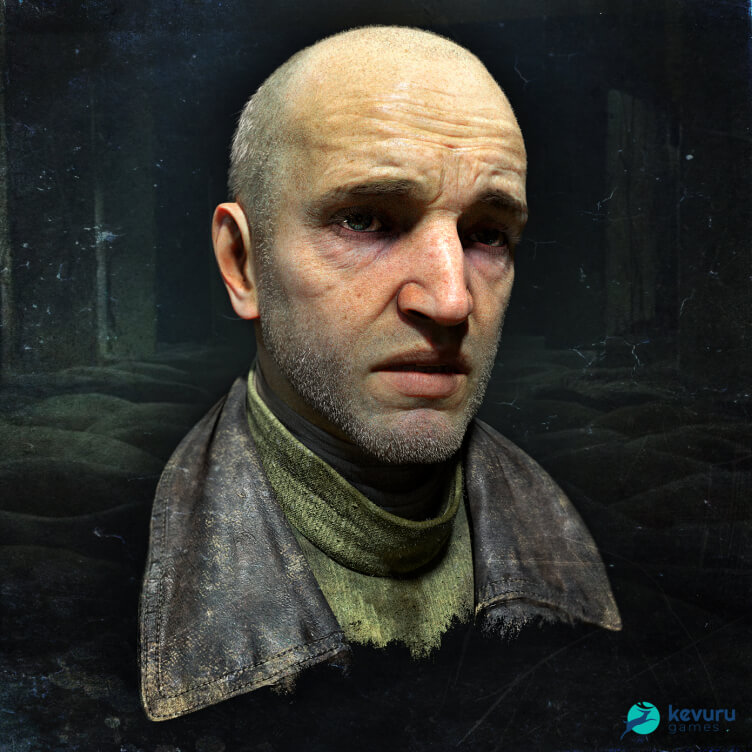
This style mimics the real-life look and functionality of the elements. You will notice a close attention to detail and accurate use of the mechanism. For instance, a muzzle of a gun has to fire as a normal one does, including the blast and recoil. Artists must also understand human anatomy, the use of advanced lighting, and how different materials reflect light. The style is usually the most expensive because the assets need incredible resolution to look “real” to players.
In The Last of Us Part II, photography of abandoned buildings came into play to create a scene of grounded dread. Artists painted every detail, including moss and cracked windows, to look authentic to the eye. The scene gives players a reality where resources are scarce.
On the other hand, Red Dead Redemption 2 has a ‘western’ style that uses realistic weather effects and natural lighting for immersion. You will notice how well it shows mud sticking to boots and how light filters through trees at different times of day. The level of detail makes it look like the real world.
Stylized and Exaggerated Style
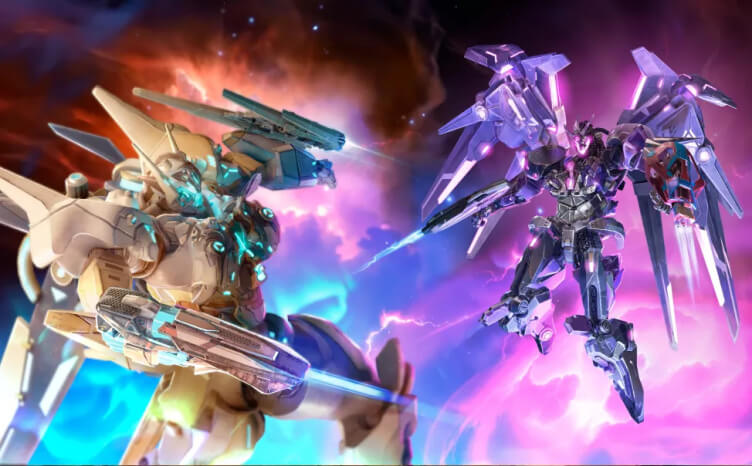
Just as the name suggests, the exaggerated style uses non-realistic proportions combined with simplified shapes and bold colors. This approach is usually timeless, as it does not have to use the latest graphics technology. Instead, it gives room for expressive characters and creative freedom.
A good expression of exaggeration in action is Fortnite. It uses ‘chunky’ character design art styles that make elements look like high-quality toys. The game environment is also inviting and bright, which has helped reach a diverse audience.
Cel-Shaded Style
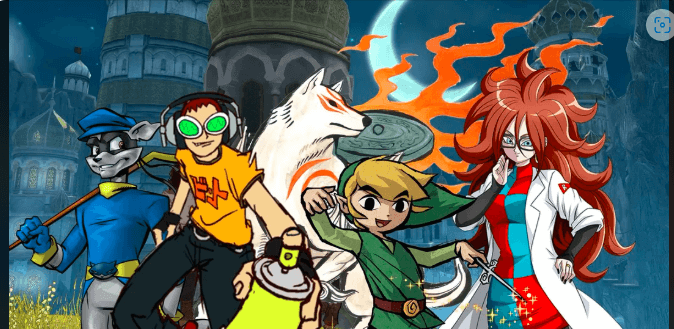
This is a kind of shading that uses thick lines and flat shadows. While they are in 3D, they look like 2D drawings. Many comic and anime books use this style to give their titles a ‘hand-drawn’ output, which is distinct from other concepts.
Hades demonstrates this by using sharp, angular lines and a vibrant neon palette. Each element comes out like a hand-painted piece of Greek mythology. It transports players to a graphic novel, which increases the visual impact of every strike.
Pixel Art Style
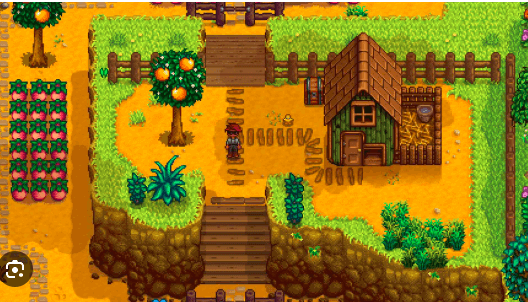
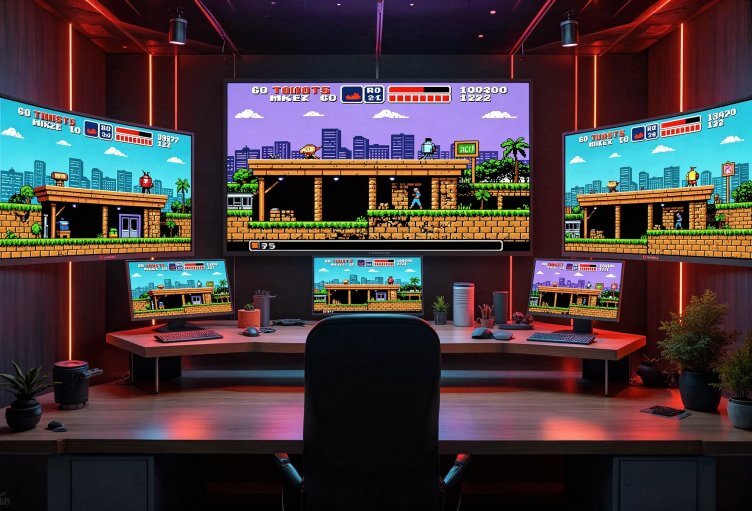
Pixelated images were once a limitation in graphic technology. However, today they give out a retro concept art style, use a limited grid and color palette to create iconic imagery. Artists often blend the art with retro aesthetics, advanced lighting, and particle effects to create something new.
Stardew Valley pixelates the virtual world perfectly using simple, cozy art that oozes calmness and nostalgia. There are clear tiling patterns for the environment and expressive portraits for the characters in the dialogue.
On the other hand, Minecraft improved on pixels to create voxels. These are volume pixels, or 3D pixels, that depict depth while keeping that low-resolution charm. It also has a noisy texture that activates when destroying the blocks.
The Psychology Behind the Visual Language in Concept Art
Shapes are a bit mechanical, but in the world of concept art game design, it’s actually much more instinctive. Artists play with the human mind to trigger the emotions that it has learned over centuries. Here are some of the popular shapes and how they work in games.
Circles: We love the “Roundies”
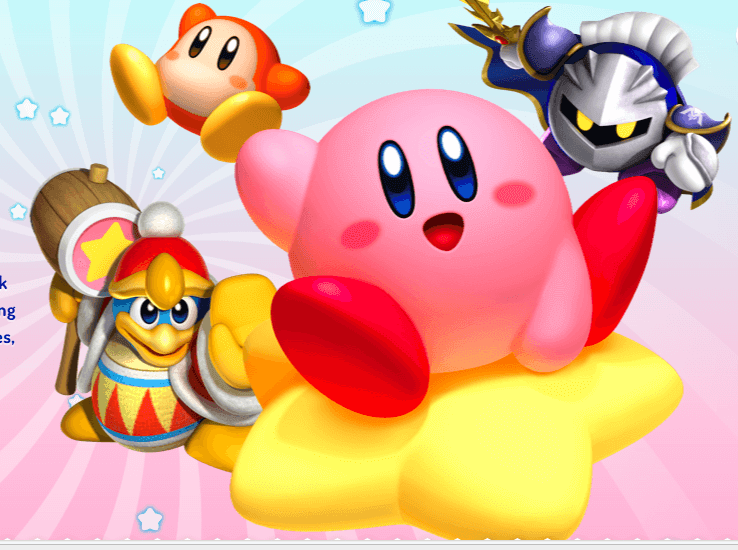
Circles show comfort. They don’t trigger that “danger” alarm in our heads, as they lack sharp edges. Artists use them to create characters that are meant to be pure, innocent, or just plain fun. When players look at a round character, they subconsciously like hanging around them. It’s why we find babies and puppies so cute—they are basically just groups of circles. Games with a ‘family’ and comfort theme go with this theme.
A good example is Kirby. The pink ball comes out like a friend you want to protect. Another famous round character is Mario. It is designed with a round belly, a round nose, and a round hat. This makes him the ultimate everyman hero that anyone can relate to.
Squares are the “Absolute Units.”
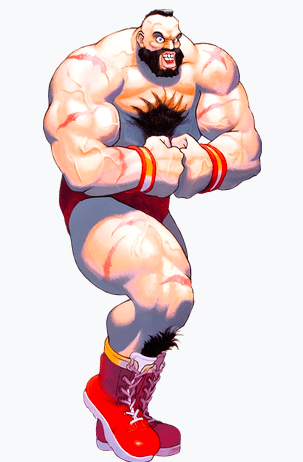
Squares and rectangles represent the heavy, permanent, and stubborn. So, characters built like walls aren’t going to budge. Breaking these boulders shows that you have won the obstacle. Some cases of the style include Zangief from Street Fighter or Reinhardt from Overwatch. They are massive and less likely to give in.
Triangles are the “Edge Lords.”
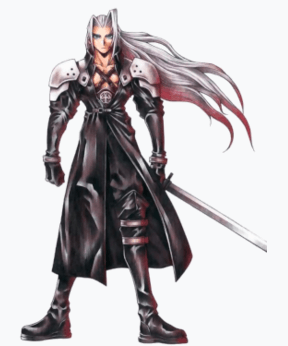
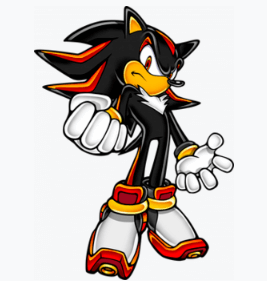
Triangles are the wild cards in games. They show direction but are also pointy. Meaning, they tell the brain they can pierce. In nature, triangles show up in lightning, mountain peaks, and shark teeth. In character design art styles, they are used to create tension.
A triangle triggers unease in the human brain. It’s sharp and unpredictable, to also represent extreme speed—think of a paper airplane or a needle. In games, villains like Sephiroth and Bowser are covered in spikes and sharp angles. Anti-heroes like Shadow the Hedgehog are covered in triangular quills.
The Art of the Mix: Creating Real Personalities
The coolest part of concept art games is when artists stop using just one shape and start mixing them up. That’s how you get characters to become “human” and complex. Consider this: a “tough but sweet” hero might have a huge, square chest but big, circular eyes. This tells you they are a protector who cares.
On the other hand, the “unstable” ally might have a round body but very sharp, triangular hair and long, skinny fingers. This creates a visual “itch” for the player. While they look friendly, something feels a bit “off” or dangerous about them.
By using these shapes, artists bypass your logical brain and speak directly to your emotions. It’s a silent conversation between the artist and the player that happens the very second a character walks onto the screen.
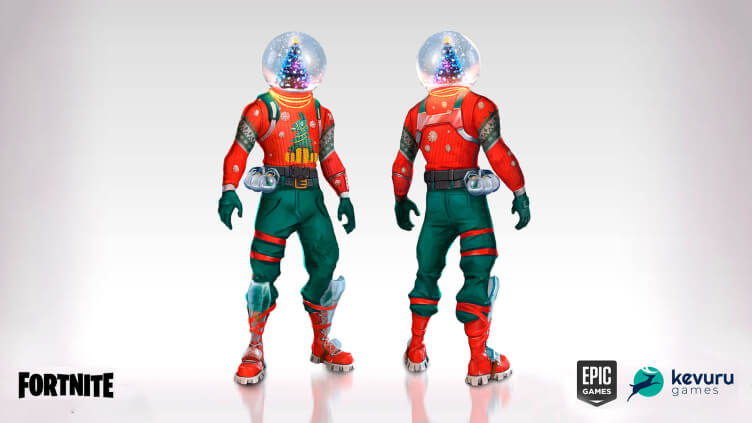
At Kevuru games, we have experience creating a variety of characters for Fortnite. Each skin needs to have a distinct personality and appeal. You can read more about it in the case study.
Conclusion: Concept Art Starts with a Line
Mastering concept art games is about more than just being a good painter, but a visual storyteller and a technical architect as well. By understanding the different types of art and choosing the right style, you can build a world that stays with players long after they turn off the console.
Remember the golden rule: Start with products with low costs and go up as we add content.
The pathway to a successful game is refining the silhouettes to match the mood, storyline, and energy required for the game. Artists always make changes as they move up the steps until a perfect character is realized.